

Spectra Lasers
Shop By
Shopping Options
Spectra Laser Levels
Spectra laser levels are widely used across construction, civil engineering, and surveying applications where consistent accuracy and durability are essential. Designed for professional use, these systems provide reliable horizontal, vertical, and graded reference control in demanding site environments. From large-scale infrastructure projects to detailed layout tasks, Spectra laser levels support precise alignment and efficient workflow.
Across Ireland, contractors and engineering teams rely on dependable levelling equipment to maintain accuracy from the early stages of a project. Spectra equipment is widely specified on commercial and infrastructure projects where long-term measurement reliability is essential. Whether working on exposed groundworks or controlled interior installations, Spectra laser levels are built to deliver consistent performance under varied site conditions.
-
![]()
-
![]()
-
![]()
-
![]()
-
![]()
-
![]()
-
![]()
-
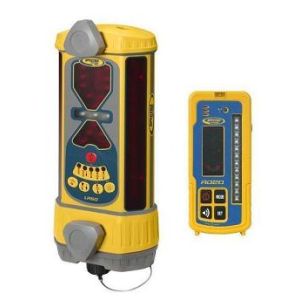
![]() Spectra Precision LR30W Wireless Laser Machine Receiver with RD20 Remote Display€1,709.70 €1,390.00
Spectra Precision LR30W Wireless Laser Machine Receiver with RD20 Remote Display€1,709.70 €1,390.00 -
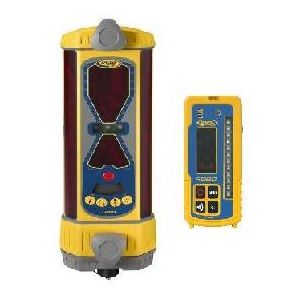
![]() Spectra Precision LR50W Wireless Laser Machine Receiver with RD20 remote display€2,238.60 €1,820.00
Spectra Precision LR50W Wireless Laser Machine Receiver with RD20 remote display€2,238.60 €1,820.00 -
![]() Spectra Precision LR60W Wireless Laser Machine Receiver with RD20 remote display€2,853.60 €2,320.00
Spectra Precision LR60W Wireless Laser Machine Receiver with RD20 remote display€2,853.60 €2,320.00 -
![]()
-
![]()
-
![]()
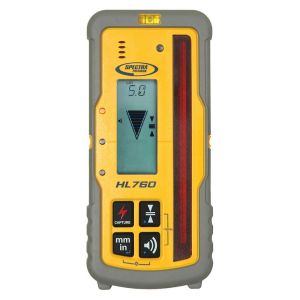
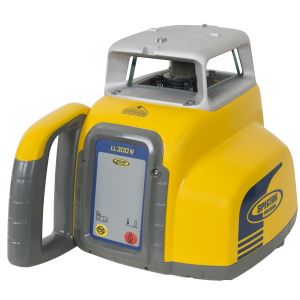
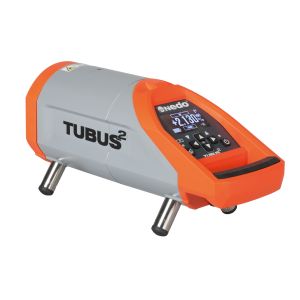

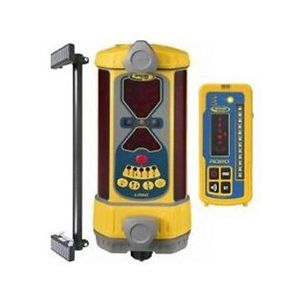
Spectra Rotary Laser Systems
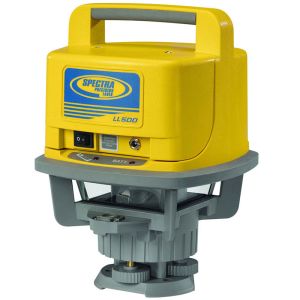
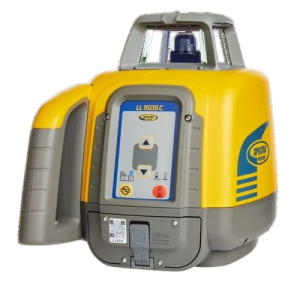
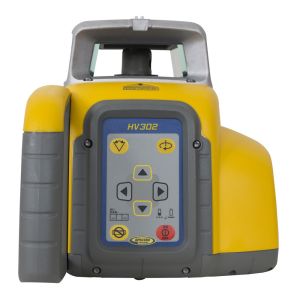
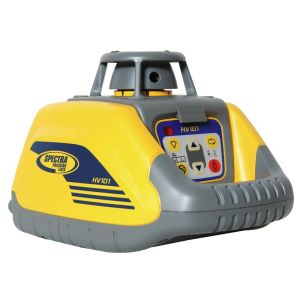
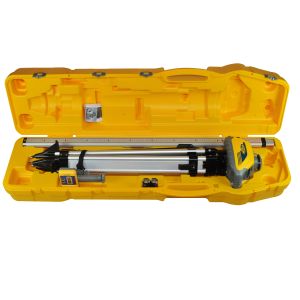
Rotary systems form a core part of the Spectra laser levels range. These units project a continuous 360-degree rotating beam, creating a stable level reference across wide areas. They are particularly suited to external construction work where long-range visibility and receiver compatibility are required.
Common rotary models include:
- Spectra LL100N
- Spectra LL300N
- Spectra LL500
- Spectra HV101
- Spectra HV302
- Spectra HV302G
These models are widely used for groundworks, concrete pours, steel alignment, and general site levelling. Many feature automatic self-levelling functionality, reducing setup time and improving reliability. When paired with a compatible receiver, a Spectra rotary system maintains accurate detection over extended distances, even in bright outdoor conditions.
On active construction sites, maintaining consistent reference control over distance reduces the risk of cumulative alignment error. Green beam variants such as the HV302G provide enhanced visibility in certain environments, particularly on interior projects or shaded areas. Correct setup and routine calibration remain essential to ensure consistent accuracy throughout repeated site use.
Spectra Layout and Cross-Line Laser Levels
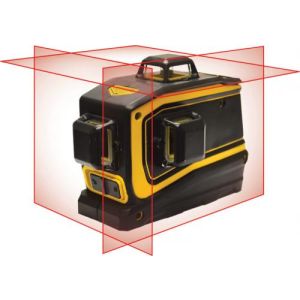
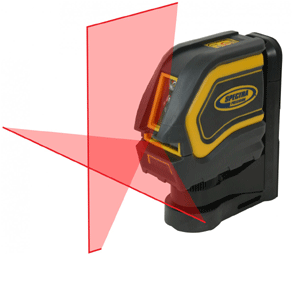
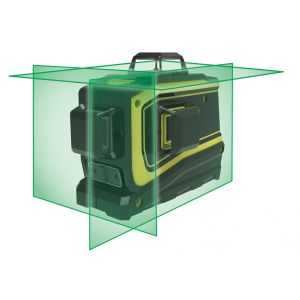
Spectra laser levels also include compact layout tools designed for interior construction and finishing work. These instruments project visible reference lines that assist with alignment, positioning, and installation tasks in controlled indoor environments. Compared with rotary systems used for large construction sites, layout lasers focus on short-range accuracy and visibility.
Common applications include partition wall alignment, ceiling grid installation, cabinetry positioning, and tiling work. Because these tasks require precise visual guidance rather than long-range detection, cross-line and layout laser systems provide a practical solution for interior contractors and fit-out specialists.
Examples of Spectra layout laser levels include:
- Spectra LT20
- Spectra LT56
- Spectra LT58G
These compact systems are commonly used by electricians, installers, and interior contractors who require fast setup and clear visual references during installation work.
Spectra Grade and Dual Grade Laser Systems
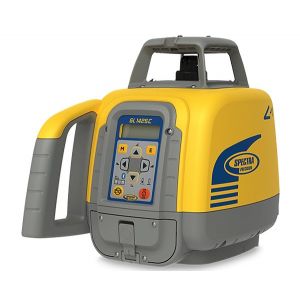
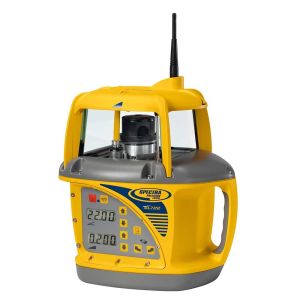
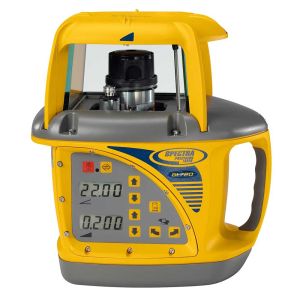
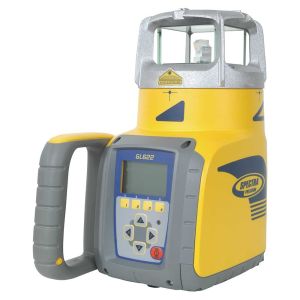
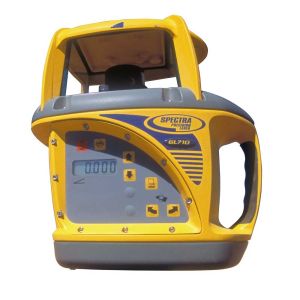
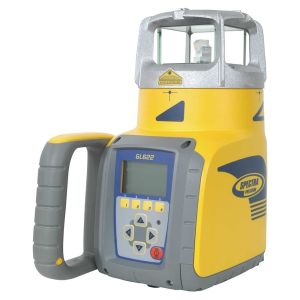
For civil engineering and infrastructure projects requiring slope control, Spectra laser levels also include advanced grade and dual grade systems. These units allow operators to set and maintain precise gradients, which is critical for drainage, roadworks, and foundation preparation.
Grade and dual grade models include:
- Spectra GL612N
- Spectra GL622N
- Spectra GL710
- Spectra GL720
- Spectra GL722
- Spectra GL1425C
These systems are designed to manage single or dual-slope applications with high precision. In drainage and roadworks applications, accurate grade control directly impacts system performance and long-term structural stability. On larger projects, maintaining a consistent slope from the beginning reduces rework and supports overall construction efficiency.
Spectra laser levels in this category are engineered for durability, often featuring sealed housings and robust components suitable for challenging site conditions across Ireland’s varied environments.
Accuracy, Durability and Professional Performance
Precision remains central to the performance of Spectra laser levels. Professional users prioritise stable self-levelling mechanisms, reliable receiver compatibility, and resistance to environmental interference. On exposed construction sites, equipment must withstand dust, moisture, vibration, and impact without compromising accuracy.
Working range is another key factor. Long-range rotary systems allow operators to establish reference points across large work areas without frequent repositioning. For slope control and specialist tasks, grade-capable units provide the flexibility required to meet technical specifications.
Supporting equipment such as receivers, rod clamps, and mounting accessories further enhances performance. Regular servicing and verification help ensure that performance remains within the manufacturer's tolerance over time, particularly in high-use construction environments.
Selecting the Right Spectra Laser Level
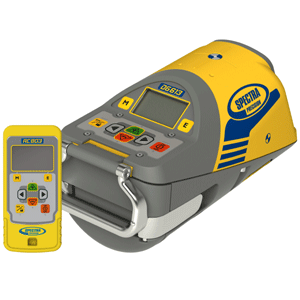
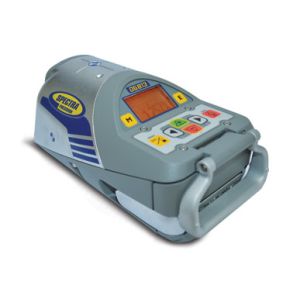
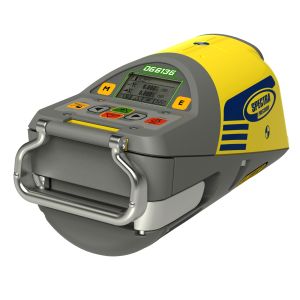
Choosing the correct model depends on project type, working environment, and required precision. Large outdoor construction sites typically benefit from rotary systems with receiver integration. Civil engineering projects involving slope control require dual grade capability. Underground services and drainage installations demand dedicated pipe laser solutions.
Understanding these distinctions allows contractors and engineers to select Spectra laser levels that align with their operational requirements. Proper specification at the early stages of a project supports efficiency, reduces corrective work, and maintains measurement integrity.
At Celtic Surveys, we work closely with contractors, civil engineers, and surveying professionals across Ireland to supply and support Spectra laser levels in demanding site environments. Selection guidance is based on practical application and site conditions, ensuring the chosen system matches the technical requirements of the project.
If you require further information on Spectra laser levels or assistance in selecting the appropriate model for your application, our team can provide professional guidance based on your specific operational requirements.